

custom flag toothpicks

custom large-sized flag toothpicks
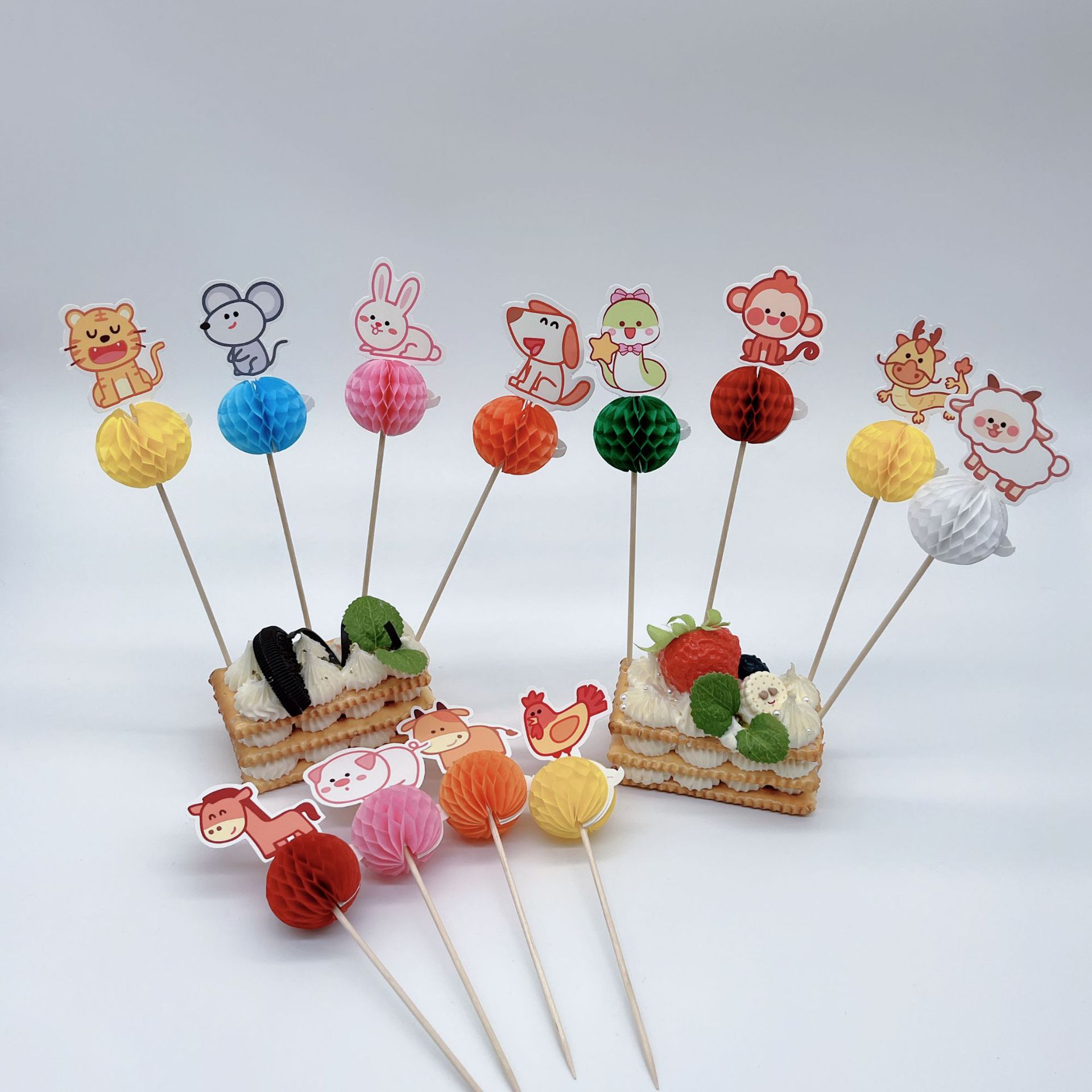
custom cupcake flags
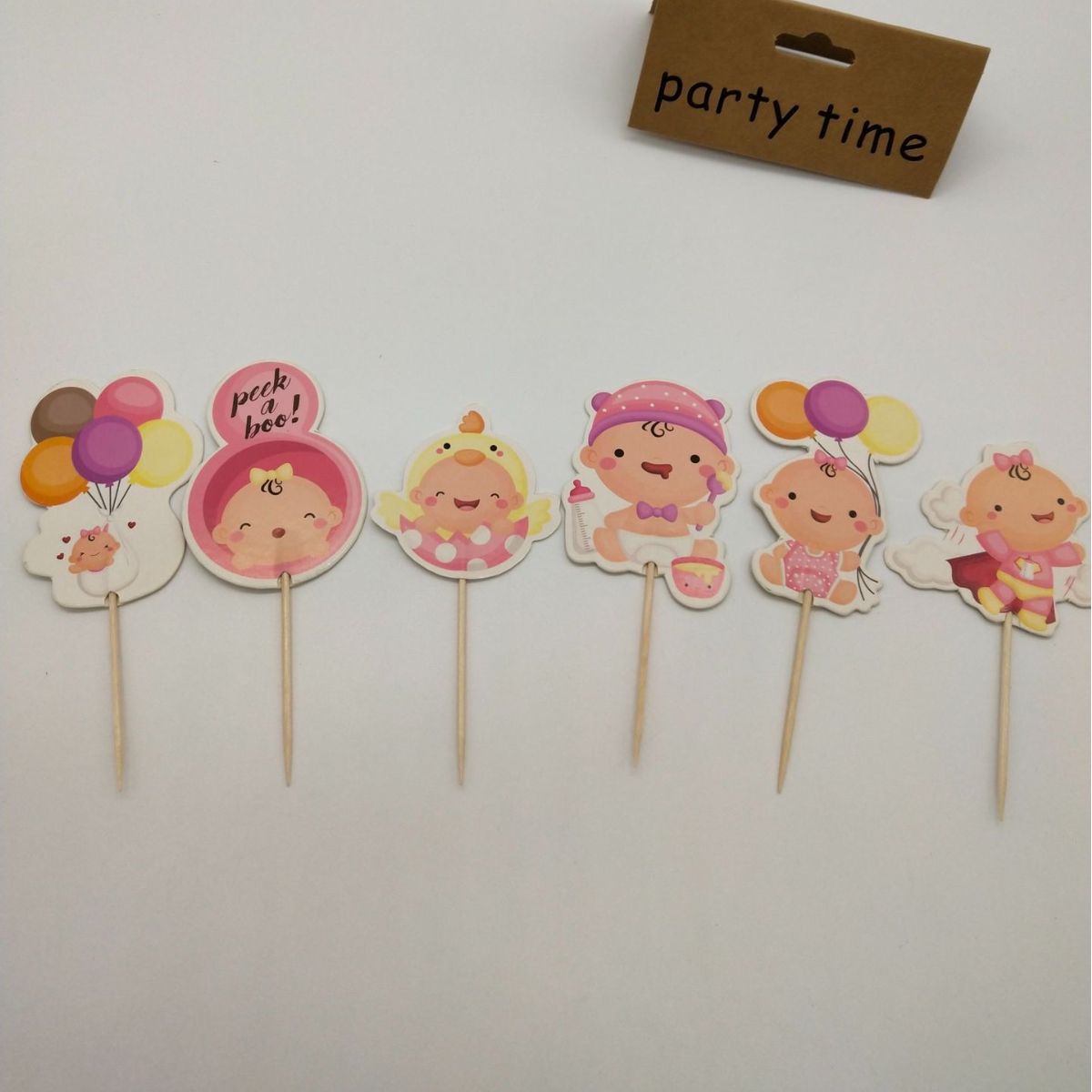
Custom cartoon flag toothpicks
The risk of ink migration is a valid concern, but it is effectively mitigated through the use of specific materials and printing standards designed for the food service industry. Because these flags are intended for use in close proximity to edible items, we prioritize a combination of barrier materials and specialized chemistry to ensure consumer safety.
The primary defense against ink migration is the use of non-toxic, food-grade inks, such as soy-based or water-based varieties. Unlike standard industrial inks, these are formulated without harmful heavy metals or volatile organic compounds (VOCs), ensuring that even if there were microscopic contact, there is no risk of chemical contamination. Furthermore, by using 210g art paper (coated paper), the flag possesses a physical barrier; the coating prevents the ink from soaking through the fibers of the paper toward the food side, while also resisting the absorption of steam or oils that could otherwise facilitate the movement of pigments.
Additionally, the construction of the flag itself plays a crucial role in safety. The designs are printed on the exterior surfaces, and the two sides are bonded together with a food-safe adhesive that acts as an internal seal. This ensures that the printed surface remains on the outside, away from the stick that penetrates the food. When these flags are produced under strict hygiene standards and allowed to cure properly, the ink becomes a dry, stable film that does not “migrate” or leach under normal kitchen conditions, including exposure to heat and humidity.